
Category: Harmonics
ABB literature FACT CHECK
We came across ABBs brochure for the ACS880 Ultra Low Harmonic and Regen Drives which is ABBs Active Front End solutions. We noted that someone has been very imaginative on a level where it is necessary to point it out. Surprising for such a well renown market leader.
What are we talking about?
Below is a snapshot from ABBs brochure for the ACS880 highlighting the incredible advantage of using Active Front End(AFE) drives instead of using passive or active filters. The main point being that the AFE has a much higher system efficiency than Active Harmonic Filters(AHF) and Passive Harmonic Filters(PHF) while maintaining a very high THD-reduction.
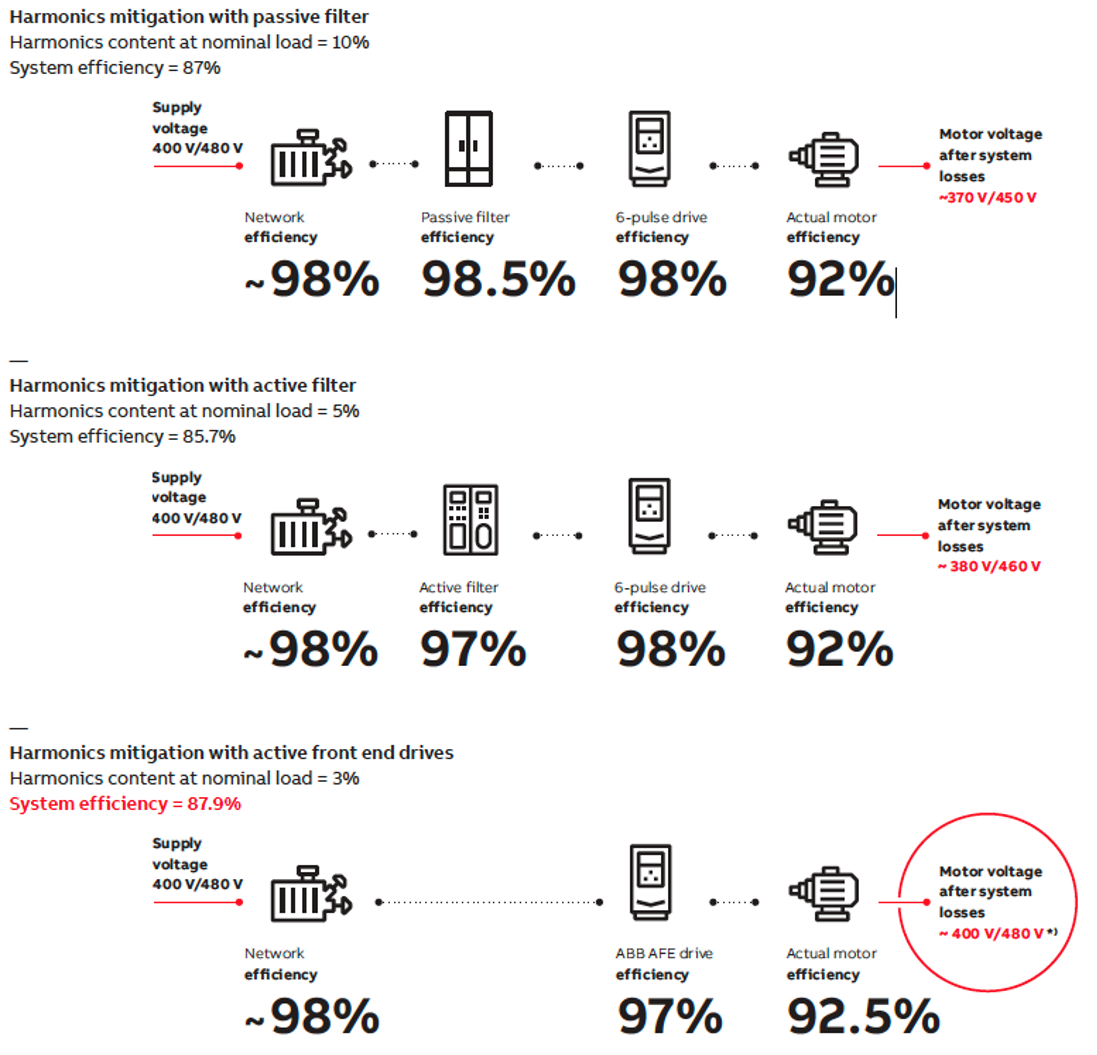
Figure 1: Snapshot from ABBs brochure in question.
So what is wrong?
Well, lets start with the AFE efficiency of 97%. Sounds fantastic, as an AFE is 2 x inverter +1x LCL filter it sounds incredible. Which it is. Theoretical losses should be roughly 2×1,2+2% so maximum 96,6%. There is an easier way to verify this and that is to actually check ABBs own datasheet for the ACS880.
An 250 kW ACS880-UHD has 11 kW losses through heat. That is 4.4% or an efficiency of 95.6% far from the 97% stated. To be fair a wall mounted 110 kW AFE is rated at 3.5% losses indicating 96.5% efficiency but still well below 97%.
So AFE system efficiency is 95.6-96.5% at optimum.
Secondly they are making a big deal that a 6-pulse drive create a significant voltage drop which in turn reduce the motor efficiency. Based on the numbers this must be an AC-choke they are using. Most drives are outfitted with DC-chokes with significantly less voltage drop. It is correct that a passive serial filter cause a voltage drop. An Active Filter being placed in parallel does not cause a voltage drop.
So, once again lets go back to the ACS880 6p version which is equipped with a dc-choke as standard. A 250 kW 6 P ACS 880 has 1,7-2,4% losses (wall/cabinet). So 98% is a good average.
Thirdly, most blatantly to us Active Filter Aficionados they have placed the Active Filter in a serial configuration!? Thus assuming that the Active Filter is sized 100% to load just like the Front End. In reality a typical active filter is placed in parallel with the load and sized based on the THD-load or roughly 25-33% of the load.
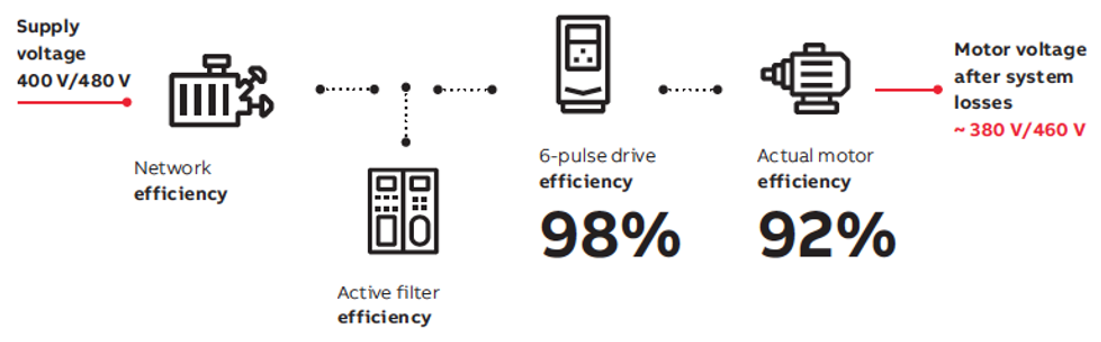
Figure 2: We helped ABB marketing correct the system topology. AHF sizing only focus on THD-level.
Using a Comsys ADF P100 as reference of an modern Active Harmonic Filter, it has 97.4% efficiency or 2.6% losses according to their datasheet.
So the AHF system losses will be 0.25-0.33 * 2.6 = 0.65-0.86% or 99.14-99.35% for simplicity we use AHF system size to be 30% of load or 99.22% system efficiency.
Updated system efficiencies:
Active Filter
Network Active Filter 6-P Drive Motor System Efficiency
98% 99.22% 98% 92%* 87.6%
*) The voltage drop across a 6P drive should be somewhere <6 V + any reactor loss if installed thus much smaller motor loss difference than suggested here. We do not have good data however and leave it as it is.
ACS 880 AFE
Network AFE Drive Motor System Efficiency
98% 95.6-96.5% 92.5% 86.7-87.5%
Difference AHF vs AFE = 0.9 -0.1 %
Conclusion
So the Active Filter Configuration system efficiency is actually on par or slightly better than the ACS880 at full load.
That is without AHF sleep mode, modularity and other complimentary solutions available to Active Filters. At part load things get even worse for the AFE but that is a story for another post.
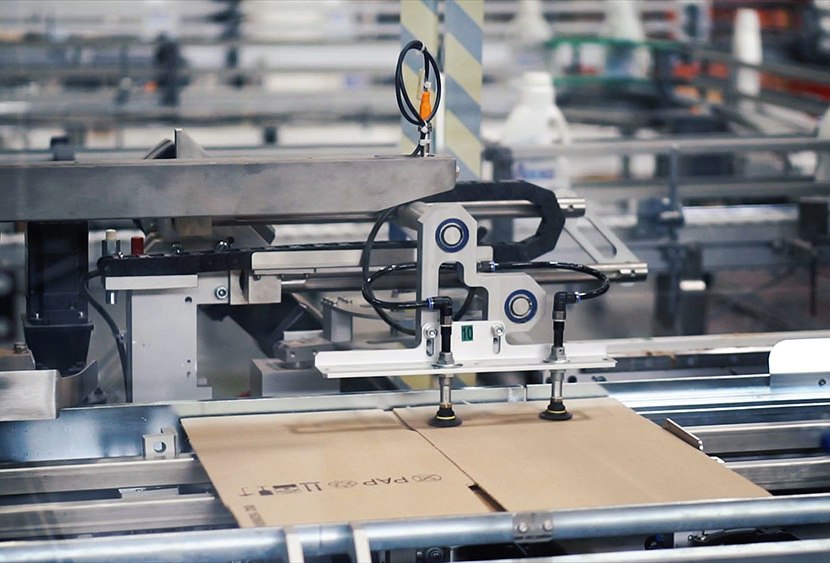
Case story: How AHF put a stop to packaging manufacturer’s production outages
Background
One of Canada’s largest manufacturers of innovative and sustainable packaging products was facing multiple transformer failures and production stops due to power quality issues at one of its many sites. The manufacturer needed to find a way to eliminate these recurring problems and troublesome interruptions. Multiple studies on power quality were performed by different contractors. Comsys Partner, ADM Engineering, was one of the companies performing power studies and providing analysis report.
Challenge
The challenge facing ADM was to determine what was causing the periodic failures in the main transformers and to recommend a reliable remedy. Following site measurements and subsequent analysis of the data captured by ADM and Comsys, the root of the problem was identified. The culprit was the resonance caused by the interaction between the natural resonant frequency of the power system, tuned capacitor banks, and nonlinear loads. Based on these findings, ADM was able to recommend ADF as the only viable solution to the site’s persisting problems.
Solution
ADF P300 – Active Harmonic Filters engineered and assembled by ADM using PPM300 modules.

Result

The ADF solution has been operating successfully since January 2020, eliminating resonance and harmonics as well as providing near unity power factor. Cost savings alone have amounted to around CAD 30,000 per month by eliminating harmonics and correcting the power factor. Increased uptime and productivity provide even more value.
Key Results:
- Mill power outage frequency significantly reduced
- Oil cooled transformer runs much cooler and requires less frequent oil changes
- Significantly reduced running temperature of several transformers
- Reduced nuisance trips and blown fuses of 600V switchgear
- Reduced saturation of feeding transformers, reduces voltage variations to nominal values

Current THD – before & after installing ADF

Power Factor – before & after installing ADF


Machine drives system supply voltages before active filters installation

Machine drives system supply voltages after active filters installation
Sneakpeek at Danfoss new Active Harmonic Filter
At the SPS fair in Nürnberg 2019, Danfoss gave a sneak peek its new active harmonic filter for high power quality applications. Sources say it is due to be launched in q1 of 2020. We look forward to check out its specifications. Danfoss was the first drives manufacturer to use active harmonic filters as a solution for their low harmonic drives, often applied when complying with for instance IEEE519. Last year Schneider followed up showing its Active Harmonic Filter in combination with multiple drives at SPS, see Active Harmonic Filters & Drives. The Danfoss filter AAF007 seems to be modular based on the picture presented.
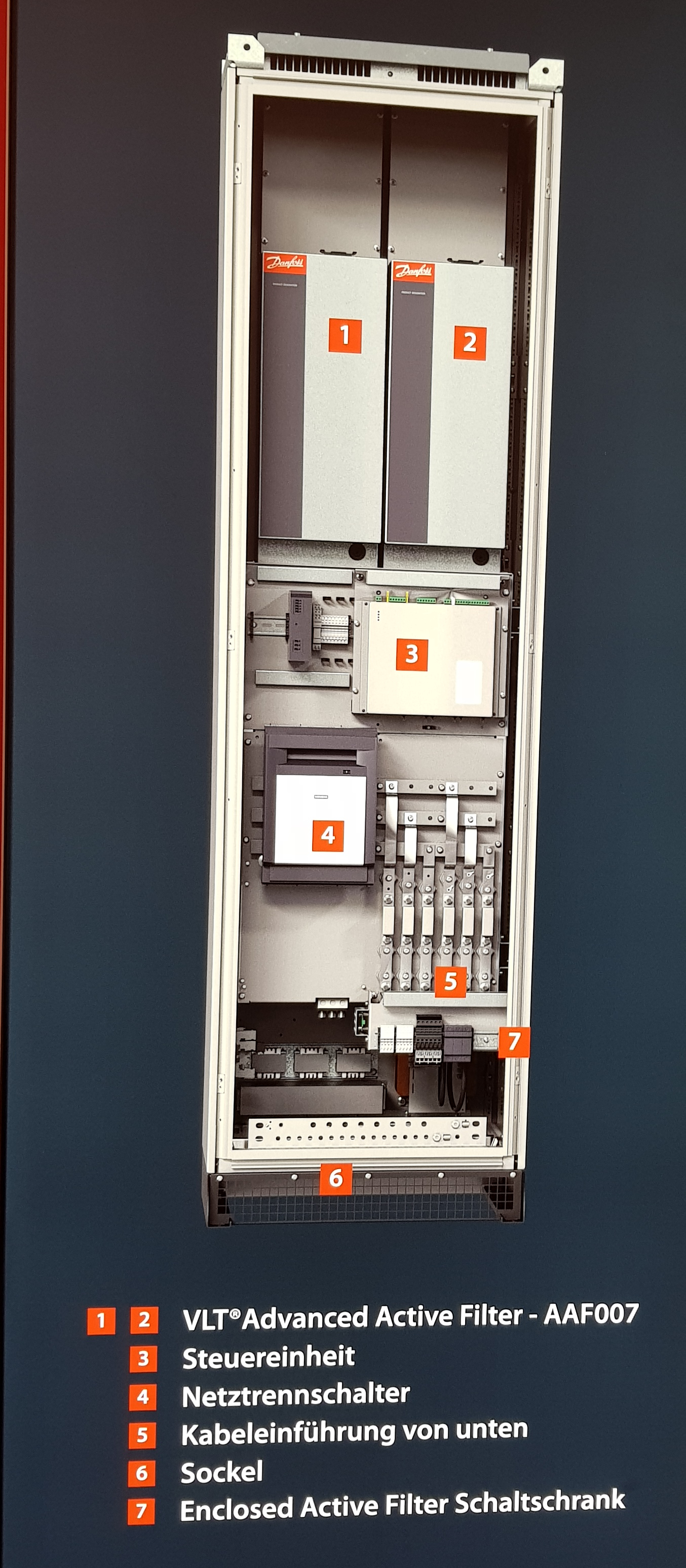
Danfoss new Active Harmonic Filter AAF007
Active Harmonic Filters & Drives
If you have followed this site you know that for large drive applications the combination of VFD + AHF have several advantages over the serial solution AFE. By placing the Active Filter in parallel you obtain a more secure derive solution as well as higher efficiency. The losses in the Active Filter are about 25-30% of the losses in the Front End on a system-wide basis. The AFE has to pass the whole drive power through itself as it is placed in series with the load. The shunt mounted Active Filter however is sized based on the harmonic mitigation requirement, normally around 25-30% of total load.
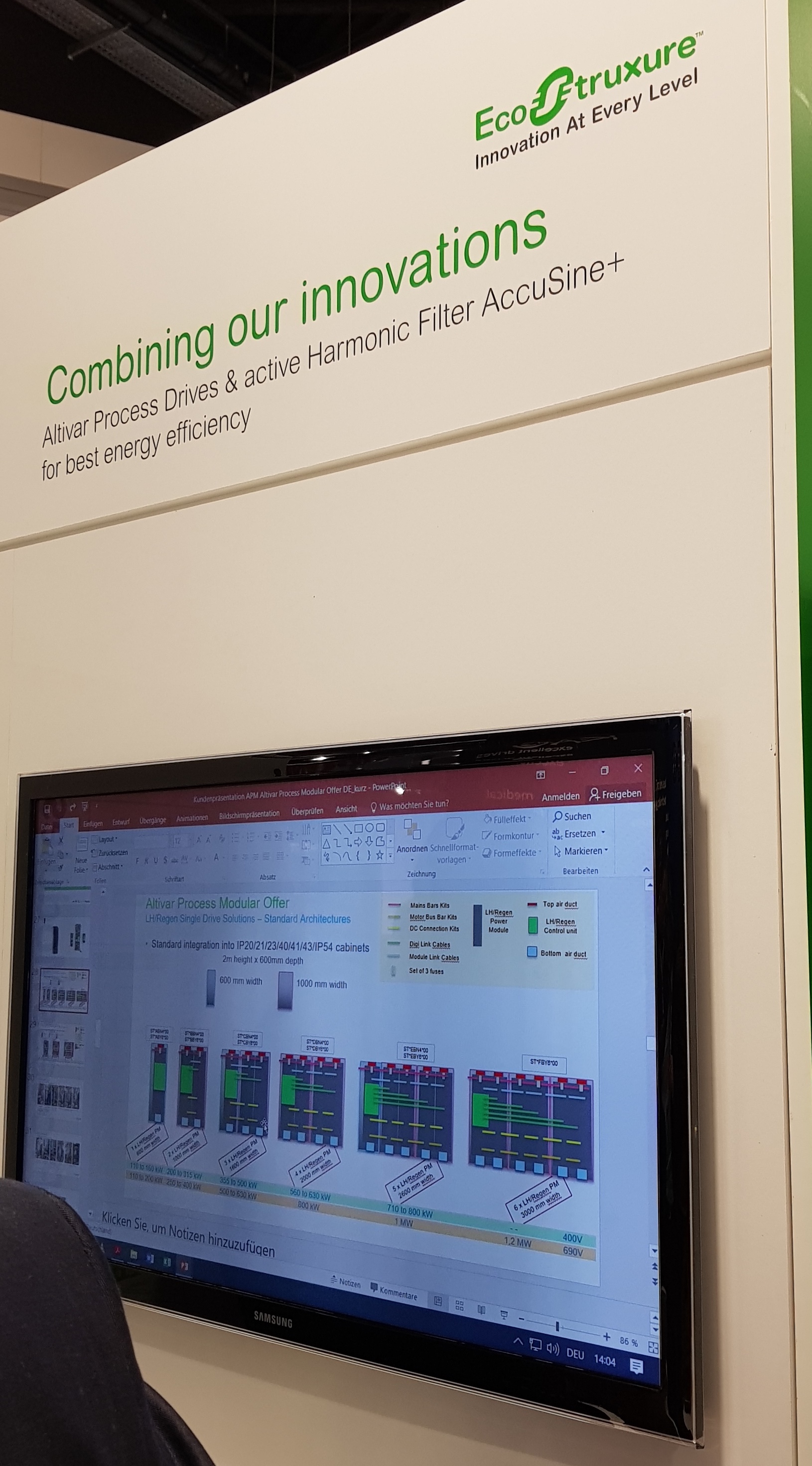
Schneider showcasing the combination of Active Harmonic Filter & Drives for higher energyefficiency at the SPS2019 fair in Nuernberg.
For more on Active Filters and rives see the Global Active Filter Compensation post with an excellent paper on the advantages.
Small Active Harmonic Filters from Schneider
Schneider dedicated 3 meters of exhibition space to its active harmonic filters at the SPS fair in Nuernberg this year. Great to see that the big boys are catching on. Schneider is no newcomer to the field though, rather one of the biggest suppliers of active filters world wide. This is the first year they show these products at the SPS. This year small filters down to 20 A is a new offering from Schneider in the PCSn series. We assume this will broaden the application scope significantly.
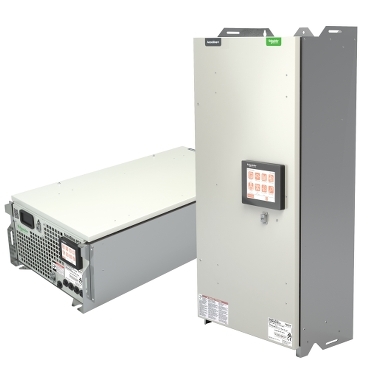
Source: Schneider
For more info check out the PCSn flyer Schneider_PCSn_998-20306747_GMA

Global Active Filter Compensation
Comsys has released a application note explaining the detailed advantages of using central filtering of many drives rather than installing separate low harmonic drives. A central active harmonic filter is often the cheapest and most efficient answer to maintain code compliance.
Read the report here: Global-vs-Local-Compensation_Application_Note
Active Filter on offshore MPSV- case study
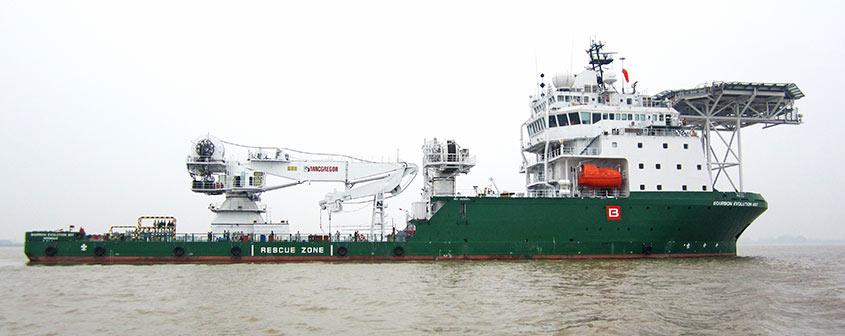
Comsys has supplied Active Harmonic Filters to multiple offshore supply vessels. Bourbon Offshore, one of the biggest operators of offshore service vessels is using active filtering on their Evolution series of MPSVs. Filtering is employed on the main busbar to comply with class regulations. For a full report on the project and the result see here:
Bourbon Offshore Case by Comsys
New Generation Passive Harmonic Filters – Ecosine Evo
Modular Passive Harmonic Filters from Schaffner – Ecosine Evo – the New Generation
The new PHF generation “ecosine evo” is designed for the most demanding harmonic mitigation tasks with front-end 6-pulse rectifiers.
Even partial load situations causing harmonic currents can be effectively mitigated. The introduction of a modular system allows the Ecosine Evo passive harmonic filter to deliver optimally tailored solutions for your particular installation. The solution is easily adapted by simply plugging in the suitable module where needed. For more information, watch this:
Active + Passive = Hybrid
Active Harmonic Filters are becoming cheaper and very competitive compared to other active mitigation solutions such as Active Front End, which we explained here. In some applications that are not too dynamic, a passive harmonic filter makes perfect sense to reduce the investment. A combination of active and passive filters can be the best solution to reduce the investment cost while still being able to cope with dynamic loads. In such an application the passive harmonic filter focuses on the dominant harmonic component. This solution is currently used by for example the German auto industry in their production lines.
PQ Nosswitz, a German power quality solutions firm, devised a system to allow a flexible combination of active harmonic filters and passive harmonic filters to enable the most flexible and cost efficient solution for every project.
 Active Harmonic Filters